Apologies to my swimming-focused readers. This is my first totally non-swimming-related blog. Sometimes it’s been a stretch incorporating swimming in these blogs; however, in this recent adventure, even in my most creative way of thinking, I can’t spin swimming into it.
In my last blog post, Pole Pole, I alluded to a return trip to Kenya this year. Less than three months after returning from Kenya, I was back on this magical continent of Africa.
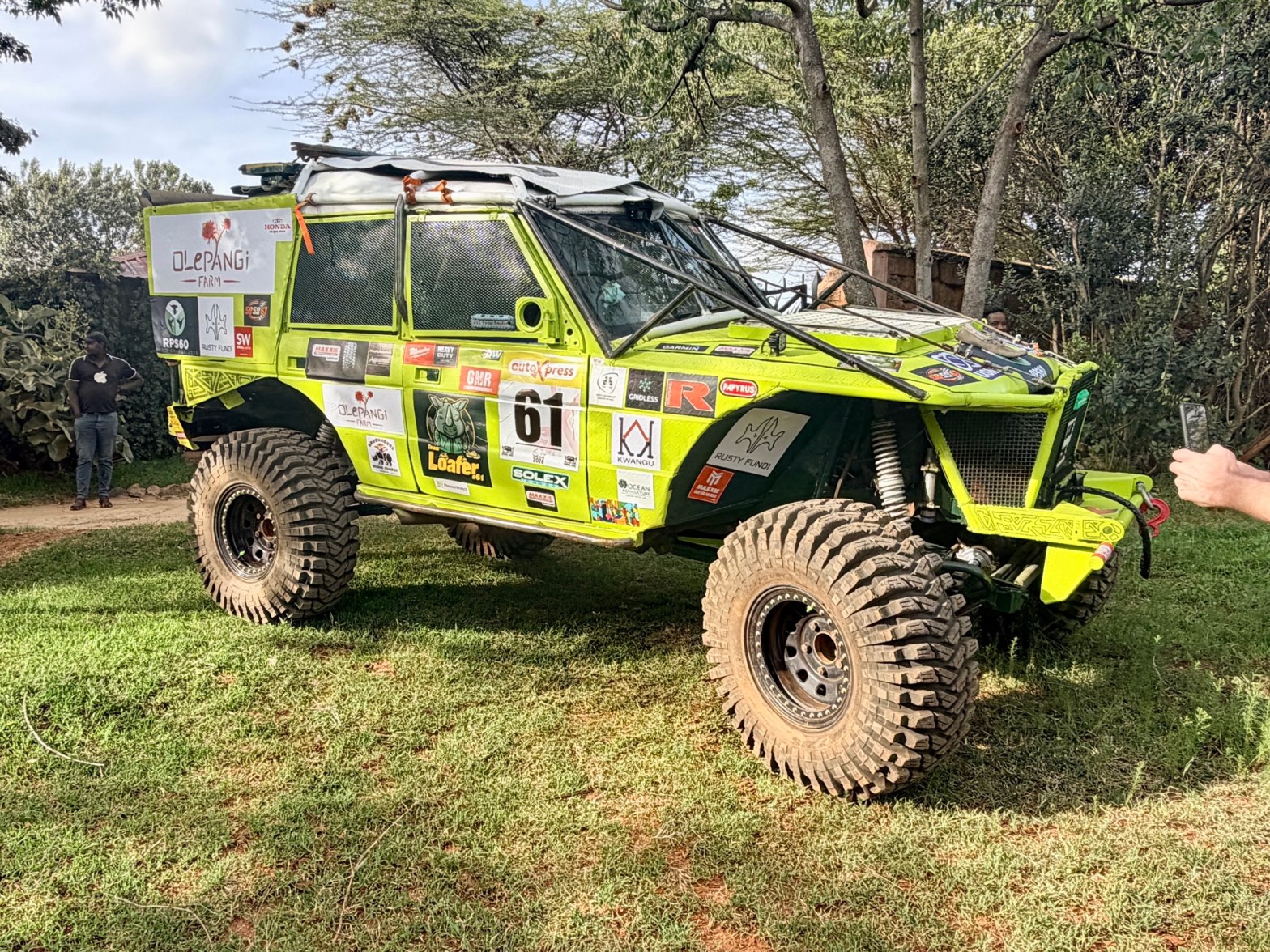
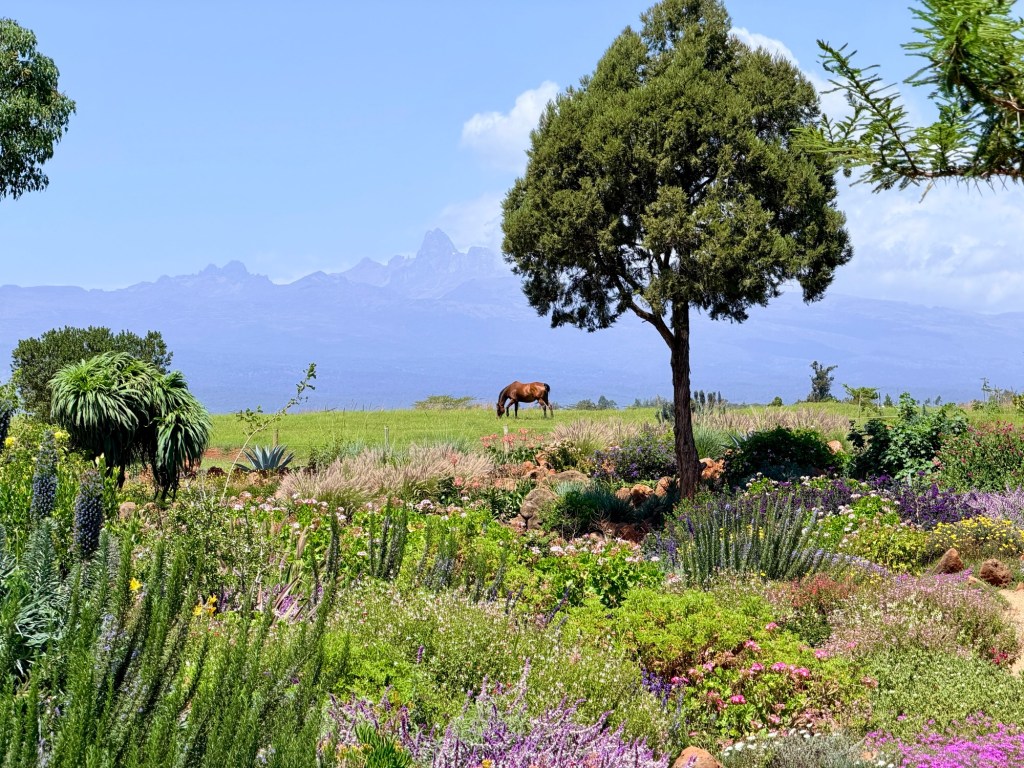
One night over G&T’s at Olepangi Farm in February, I was invited by Elizabeth and Kier to participate in Rhino Charge. They promised me that this unique event would be a lifetime memory. In the name of you only live once, I said yes! I am sure glad I did—wow!!!
Rhino Charge is a huge fundraising event for a Rhino Ark. Rhino Ark is an NGO and conservancy protecting Kenya’s water towers and ecosystems in a way that is in harmony with the environment, wildlife, and the local communities.
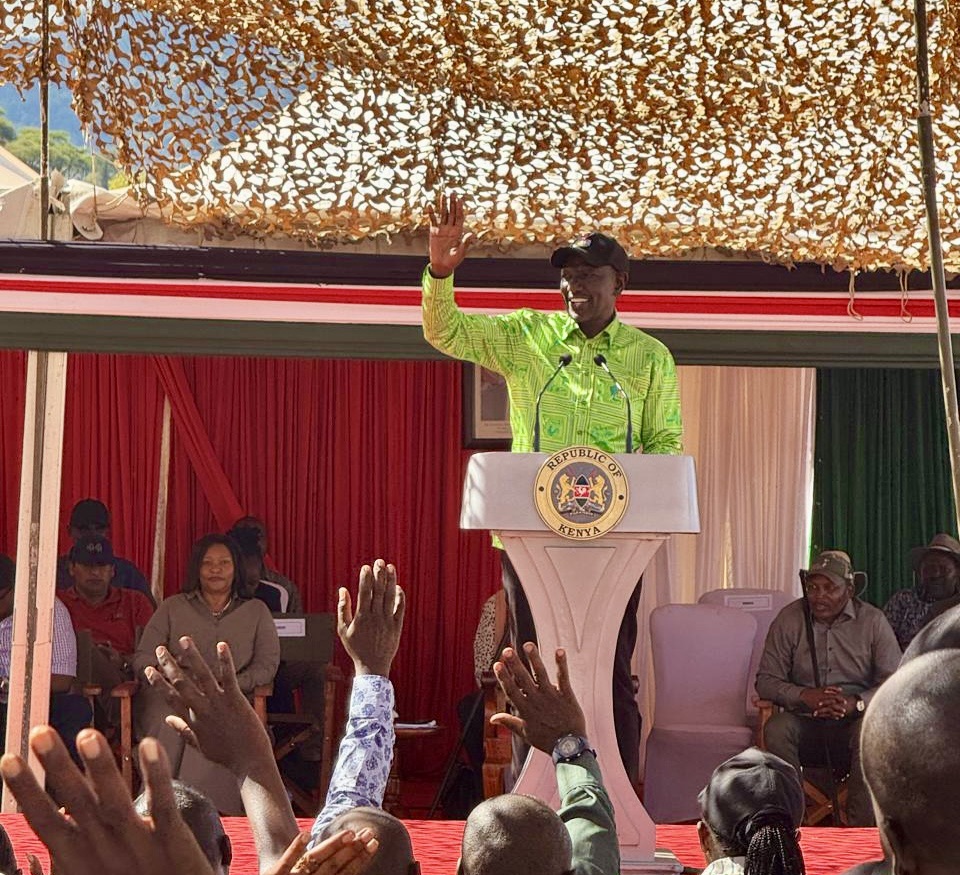
The Rhino Charge started in 1988. While not widely known (well…at least in my world), it is one of the premier 4×4 off-roading events in the world and most certainly in Kenya. To put some perspective on how big this event is, the President of Kenya presented awards this year.
Every year, Rhino Charge is held in an undisclosed location in remote Kenya. One month before the event the general location is disclosed, northern or southern Kenya and a week or so before the location is pinpointed a bit more so. This year’s Charge was held in Ngilai in Samburu County in northern Kenya near Somalia and Ethiopia.
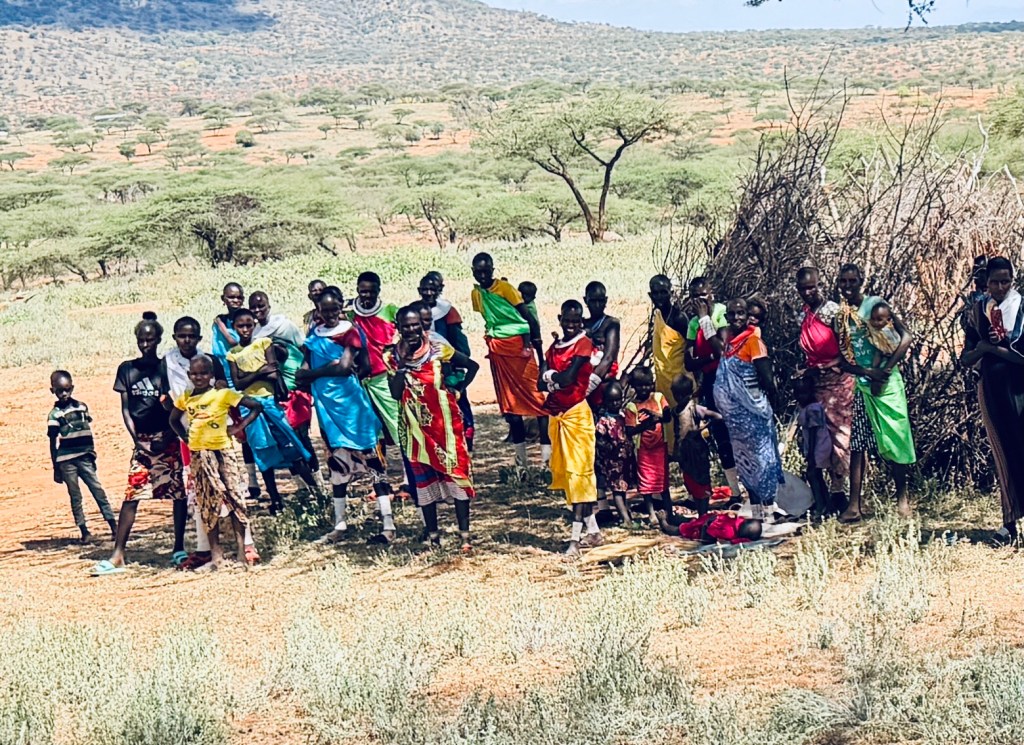
Samburuland is a dry, vast, open land with rocky hills, low-lying trees, and bush. All under big blue skies. It is home to the Samburu people, a pastoral, semi-nomadic tribe akin to the better-known Maasai.
The Rhino Charge has 65 entrants/cars with four to six people on each team. Late afternoon the day before Rhino Charge starts, the event coordinators release coordinates to the 13 different guard posts. These guard posts are spread out across rugged terrain with gigantic rocks, dense bush, and luggas and dongas (both basically dried river beds). The objective is to hit all 13 guard posts in 10 hours. The winning team is the team that reaches all 13 guard posts in the shortest distance, not the quickest time. So…the shortest, most direct distance may mean winching a car up/down a steep hill, crashing through the bush, or a deep luggas. Unique concept—right?
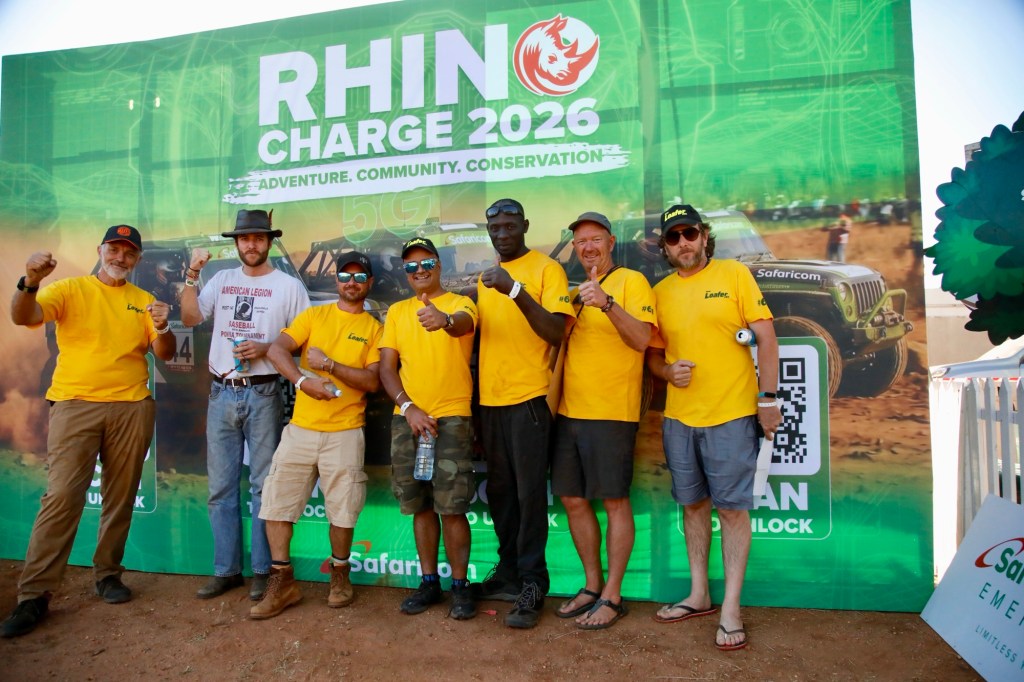
We were car #61 or better known as Team Loafer. There is a story behind the name, if you want to know it-dm me. Our leader, Kier, was the master organizer, tactician, Rhino Charge rule interpreter, and importantly, our driver extraordinaire. At his side in the car was our able and strategic navigator, Jonathan. There were four runners: Mark, Gaspard, Tori, and myself. Runners are basically scouts to check the terrain ahead of the car. The support crew was Simon, Julian, and Kunal—they were engaged, resourceful, and met us at every guard post along the way.
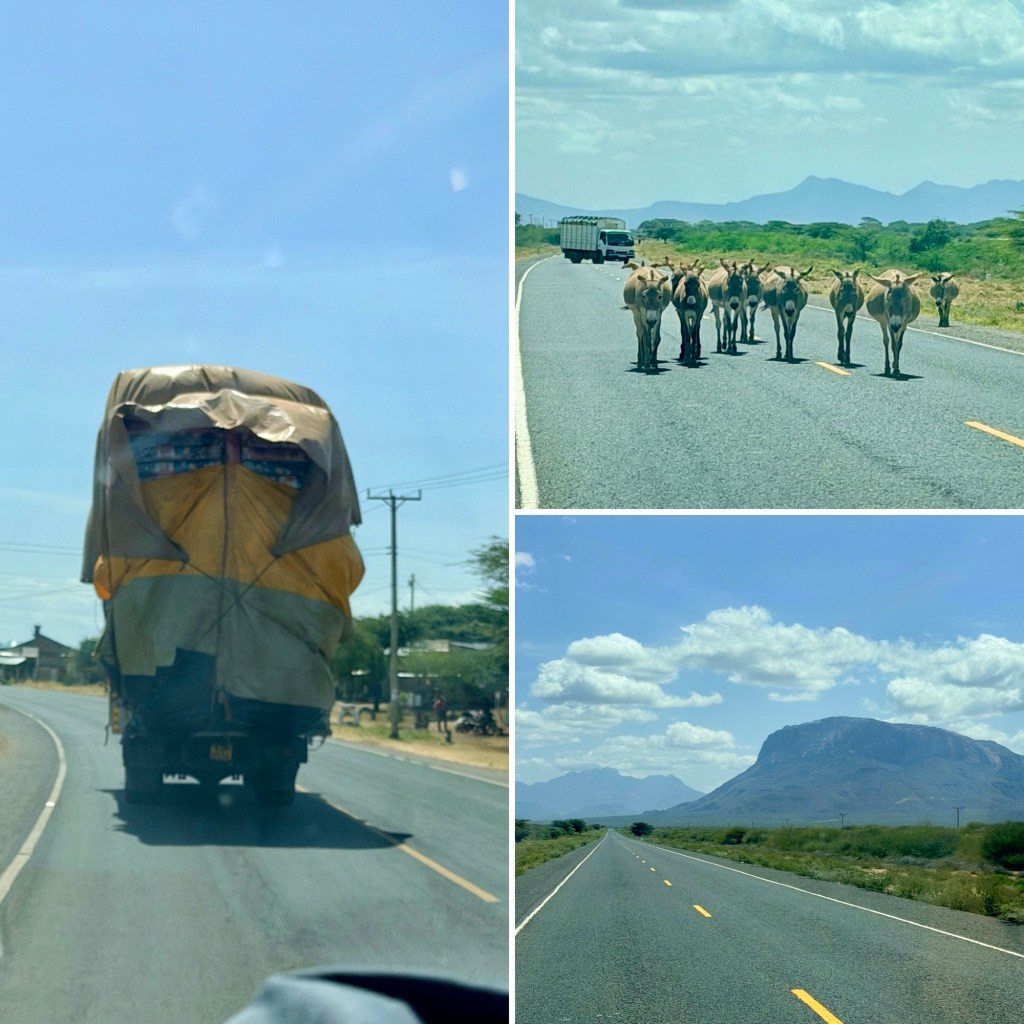
Leaving Olepangi Farm on a Wednesday, we headed 4 hours northwest to our first checkpoint, Archers Post, and then to Wamba and eventually to camp in Ngilai.
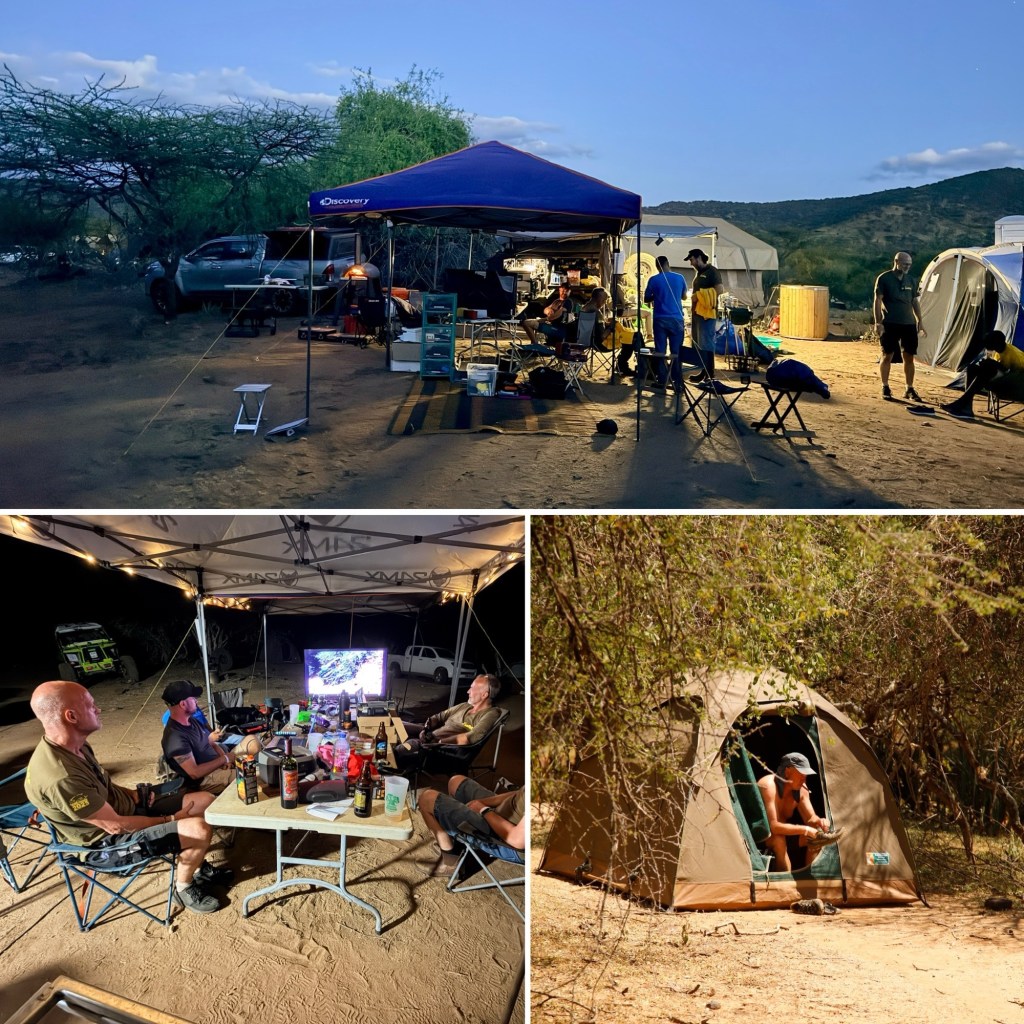
It’s hard for me to understate how remote and sparsely populated this place is. Despite having a pizza oven, 2 monitors/printers, a camper trailer, along with a cold plunge, a cook, and two assistants, we were roughing it—I promise.
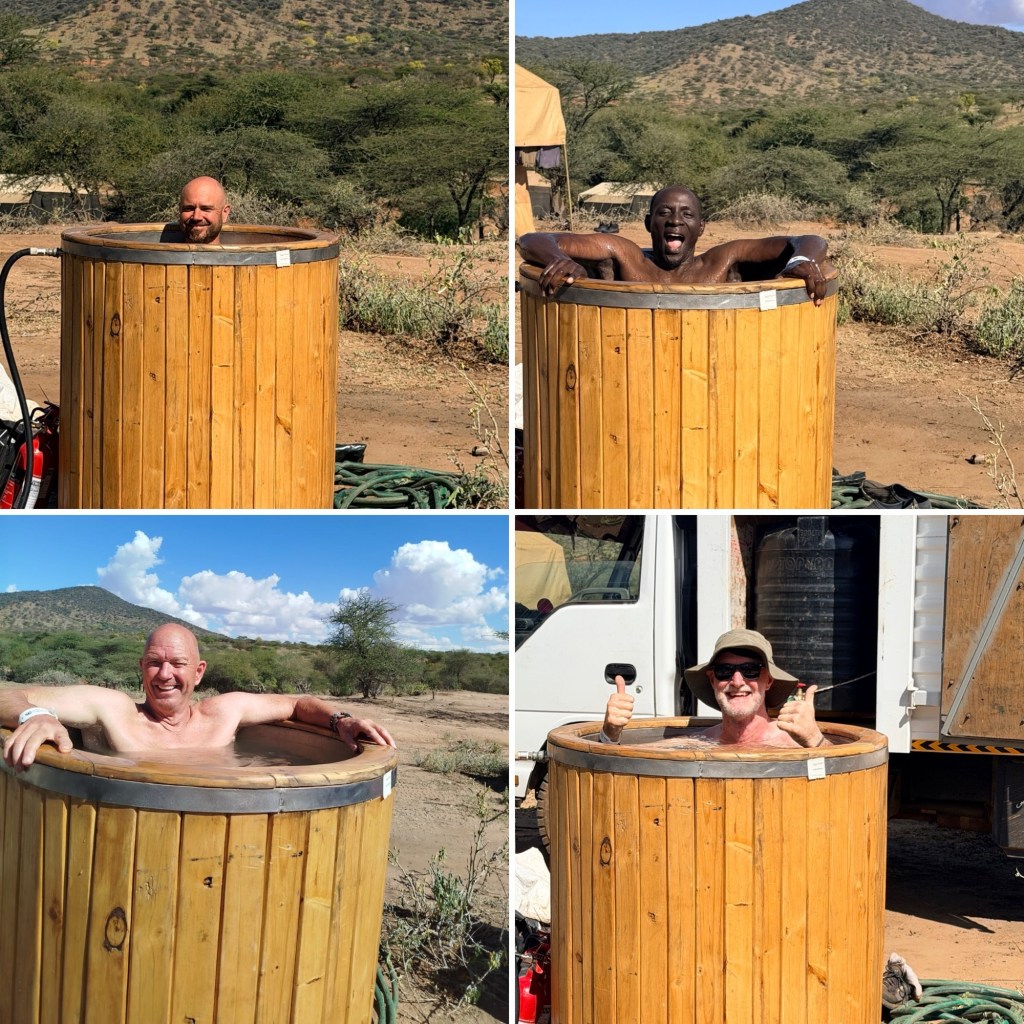
The next couple of days, we observed the terrain we would be driving in, worked on the car, learned the difference between a lugga and a donga, and learned how to winch. The most important part about winching is not to lose your fingers. Late afternoon on Friday, all teams met at HQ and the Whitecap Pub for scrutineering and to receive guardpost coordinates for the next morning. It was quite an amazing lineup of cars and competitors. It was a beauty pageant of sorts of teams showing off their cars.
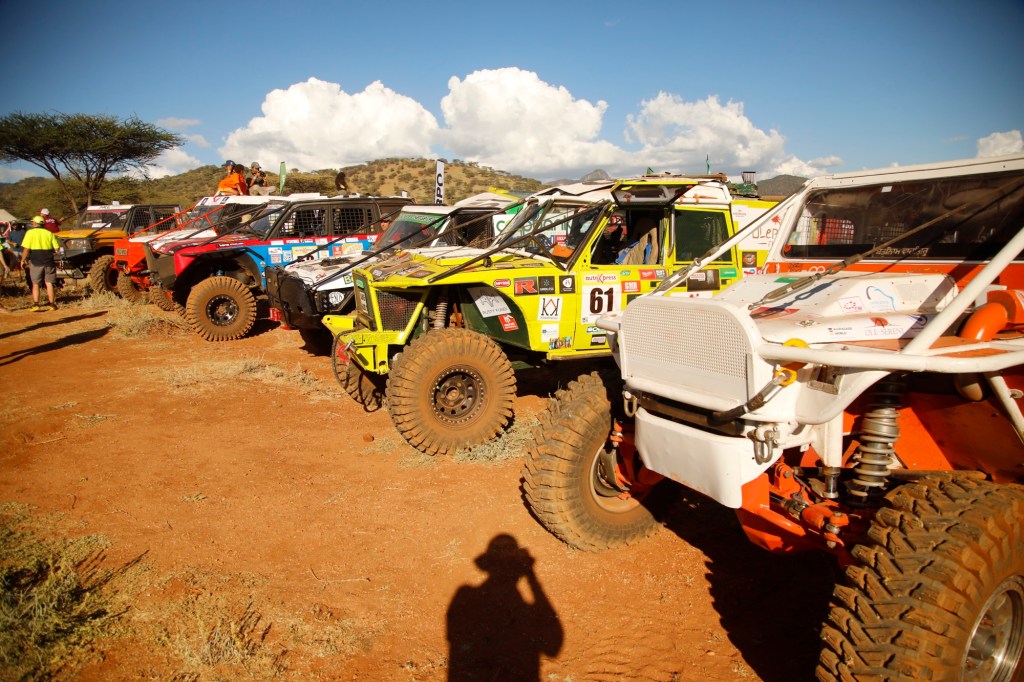
After Receiving the coordinates, we raced back to camp to begin analyzing and plotting the most direct course for the next morning. There was lots of discussion back and forth, and data fed into AI. All I know was that it was light outside when we received the coordinates and had been dark for hours before I went to bed with the discussion still going on. The unanswered question was…do we start going clockwise or counterclockwise?
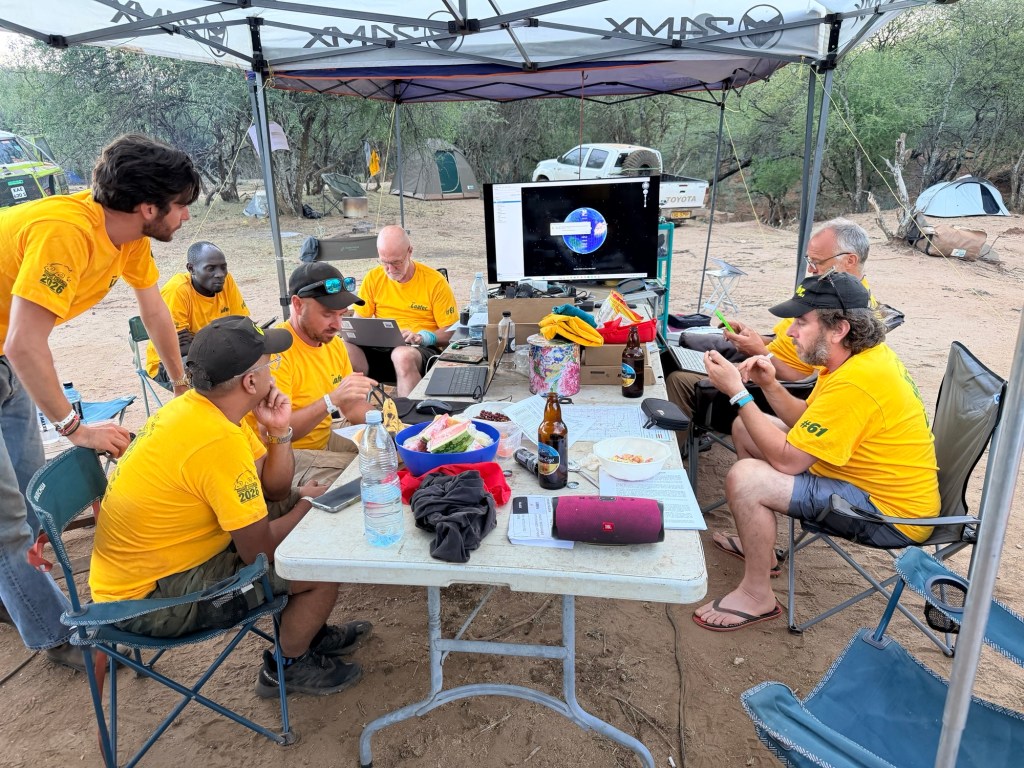
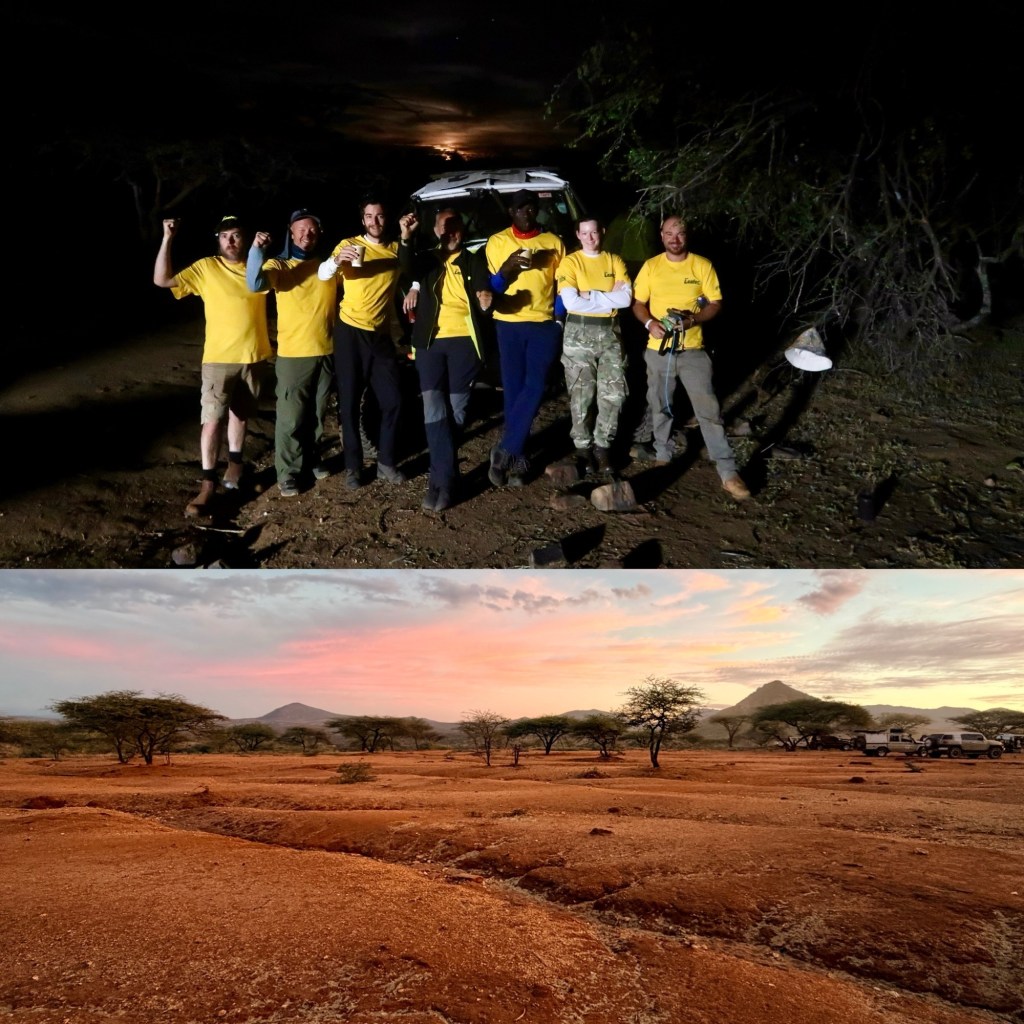
It was an early bell the next morning as we left camp at 5 a.m. to get to the central gathering point before heading out to our respective starting points.
With only 10-15 minutes to “go time,” at Ocean Agriculture, our starting guard post, the question was still—clockwise or anticlockwise? With a logical explanation by our navigator, Jonathan, and a final show of hands, a decision was made—clockwise.
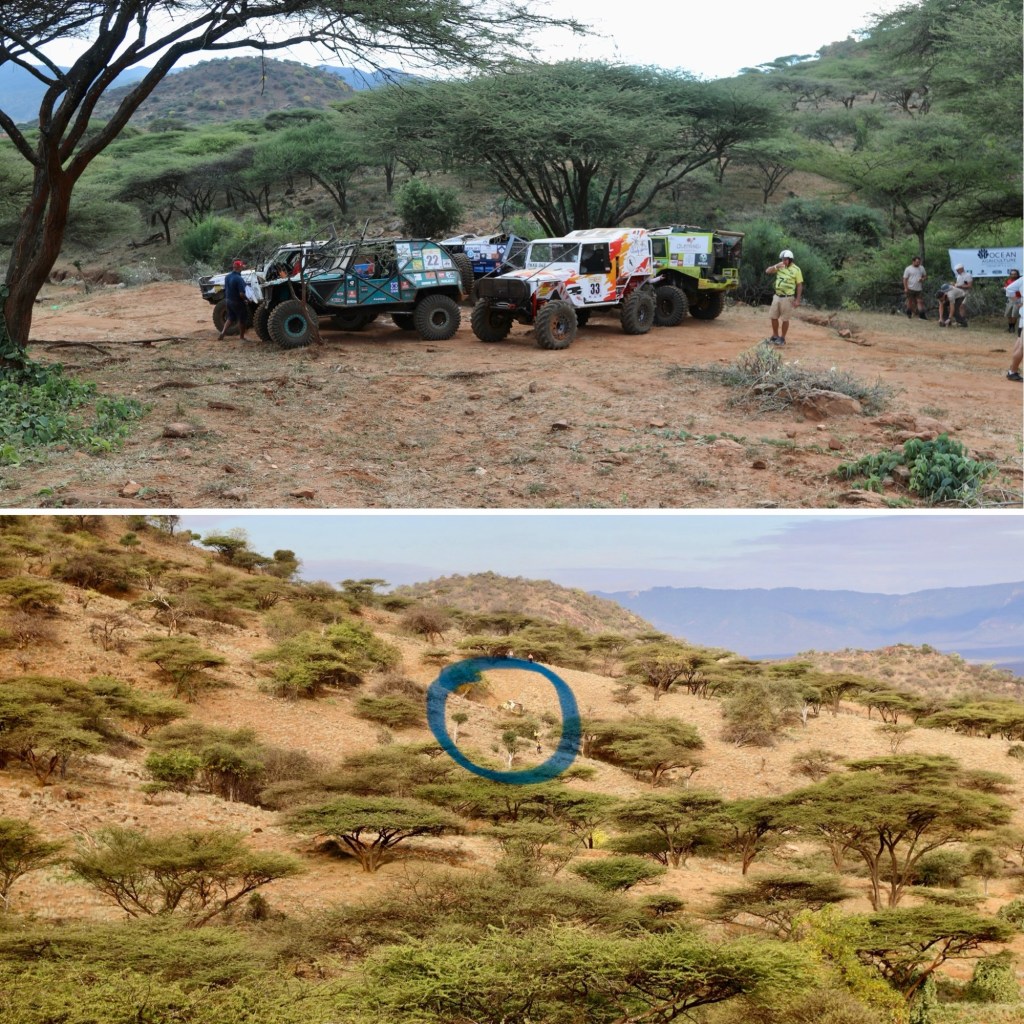
We started with a dramatic launch up and over a huge rock—let’s gooo! The runners tried to keep ahead of the vehicle, scanning the landscape for the best direct path forward. Through the bush or a deep lugga, the team began to understand the car’s ability and working together. I’d be lying if I said it didn’t say at times it felt pretty chaotic—because it was! It was hot, there was little shade from the sun, and we pressed forward over the uneven, challenging terrain.
Slowly, we began to tick off the 13 guard posts. The guard posts were sponsored by big Kenyan corporations. At the guard posts, there was the official check-off that you hit the guard post, a once-over of the car, and time for a quick rest with nutrition and hydration. The guard posts were always a highlight as you didn’t know what they would be serving; pizza, Indian food, hot dogs, you name it, and one even had an espresso bar and ice cream. Our support team was awesome; they met us at every guard post. Aside from mechanical support, they provided strategy, commentary, and most importantly, a morale boost. Last year, the team hit 4 guard posts, and our goal this year is to hit all 13.
One of the big highlights was called The Gauntlet. It’s designed to be a difficult section of the course where three guard posts are clustered fairly close to each other so spectators can view the mayhem. This year’s gauntlet had us in a river bed with massive rocks, going up a steep hill, back down it, and back up another. Team Loafer, specifically Kier and Jonathan, crushed the gauntlet with massive flair and showmanship, with cheers from the crowd. After helping winch a competitor out of the mud and going over the huge Safari.com “challenge rock” (Kier called it a pebble) in the river bed, they blasted up a steep hill that other teams had to winch up. In all the excitement, Kier and Jonathan blew past a guard post entirely, despite our best efforts to direct them. Eventually, they turned around, and we were all good to go.
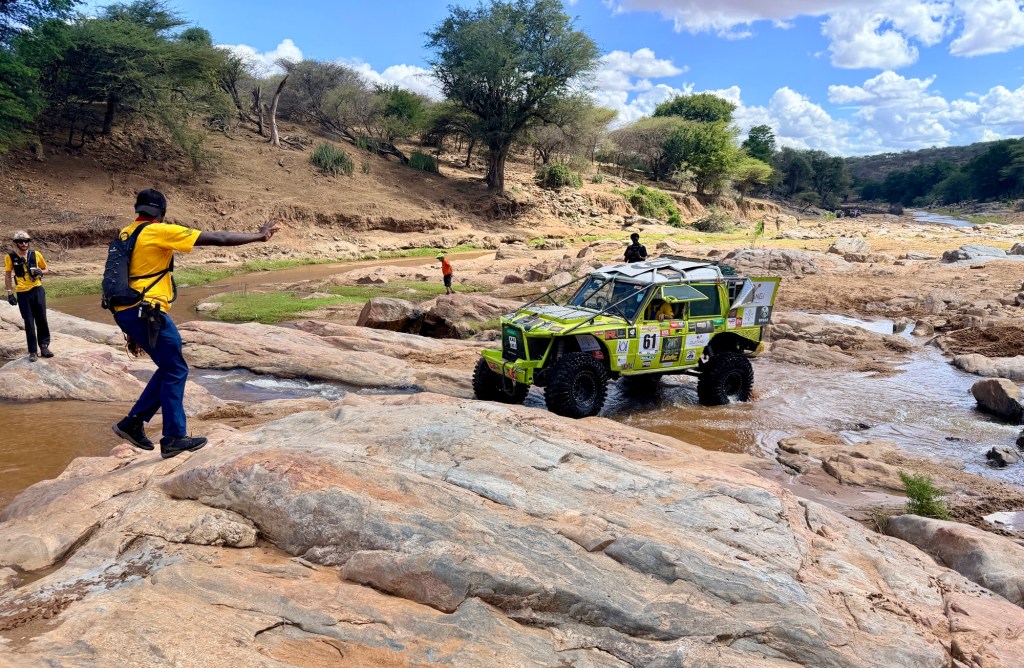
With the Gauntlet completed and some additional confidence under our belt, we only had 3 more check points to go. We ticked them off one by one, and our last point-to-point was from Copycat back to Ocean Agriculture, our starting point. With a little less than 100 meters to go, there was a steep hill to the finish. With the same gusto that started the morning at Ocean Agriculture about 10 hours before, Team Loafer blasted up the hill to our finish—we did it!!!
There were hugs and high fives, and of course, a White Cap beer chugged out of the ceremonial “loafer”.
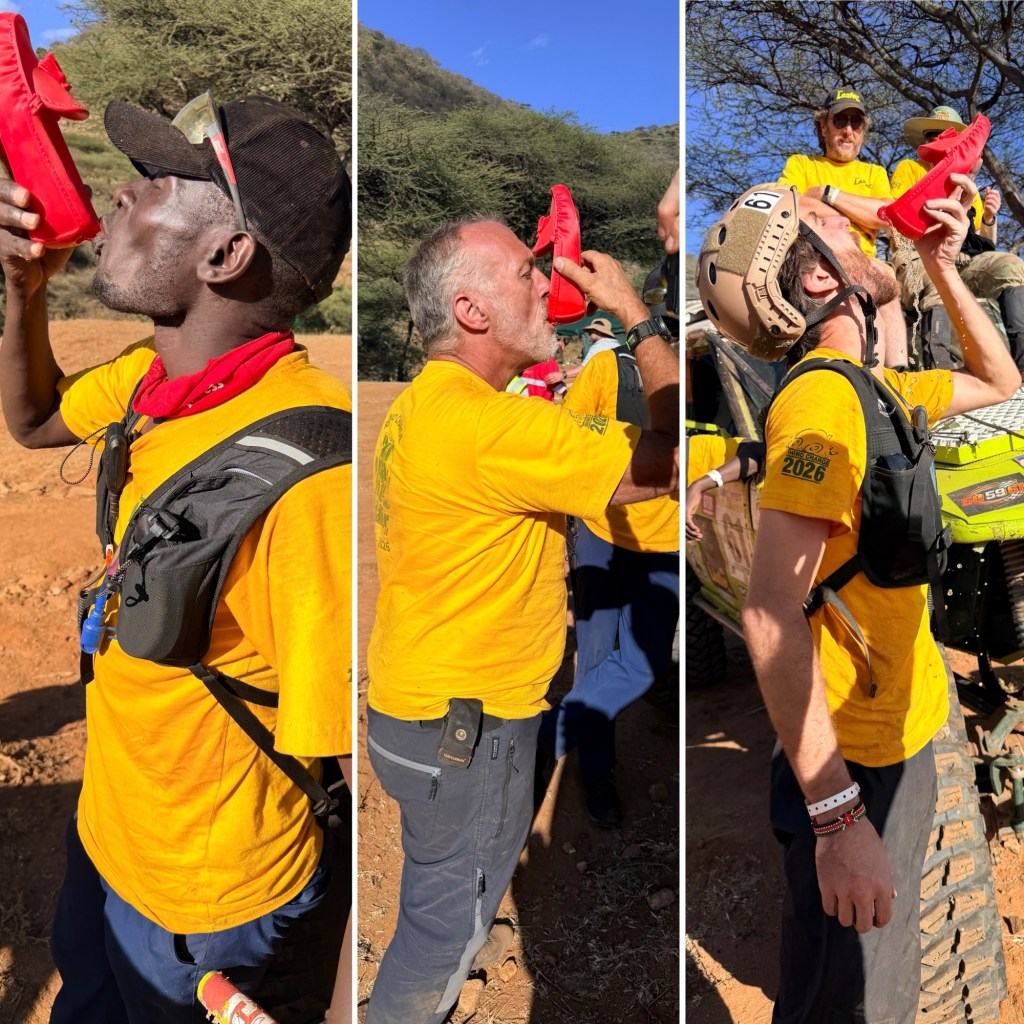
There were only 14 cars out of 65 that completed the full circuit. We were the first team to get around to all 13 guard posts. Yes, it’s fun to say we were the first to finish; however, remember the winner is the team that completes the course in the shortest distance. We completed it in 46km and the winning team did it 29km. OK, that’s quite a difference, I know. But here is the thing: it was a tough “charge,” and only 20% of the competitors even completed the course, so we felt pretty darn good with our results.
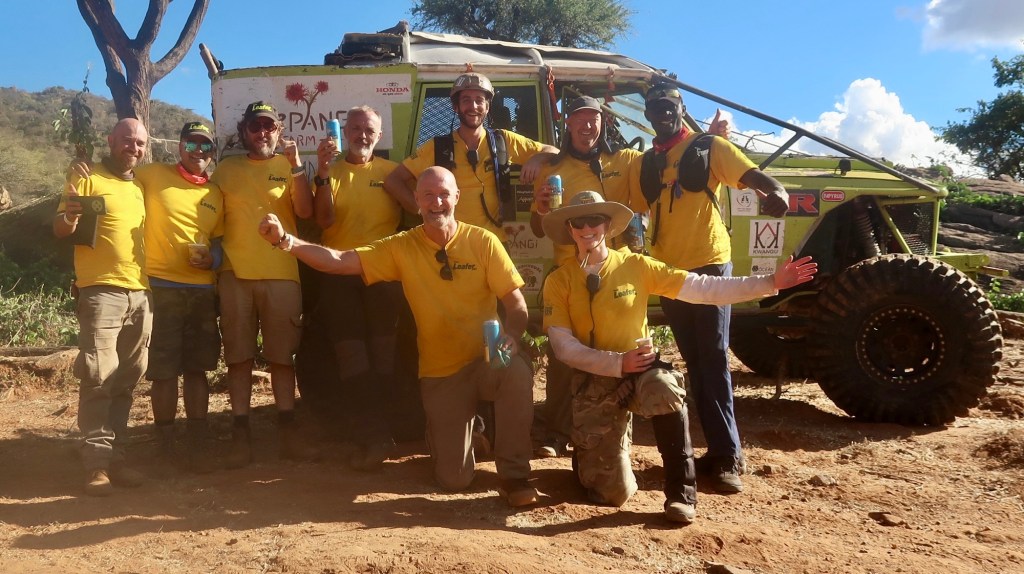
This whole adventure was really hard to put into words and I’m not entirely sure the pics fully capture the moment, that’s why I included the videos and I’m not sure they totally do it justice either.
If life is, in part, about collecting memories and experiences, I hit the jackpot with this one. I stepped out of my comfort zone and participated in a unique event in a remote location that few people ever visit or experience.
And most importantly, I met and spent time with fun and incredibly interesting people, creating lasting memories. I’ve come to realize the best souvenirs of any journey are the people you meet, the experiences you create, and the stories you carry back home.
Nimebarikiwa—I am blessed in Swahili (supposedly).
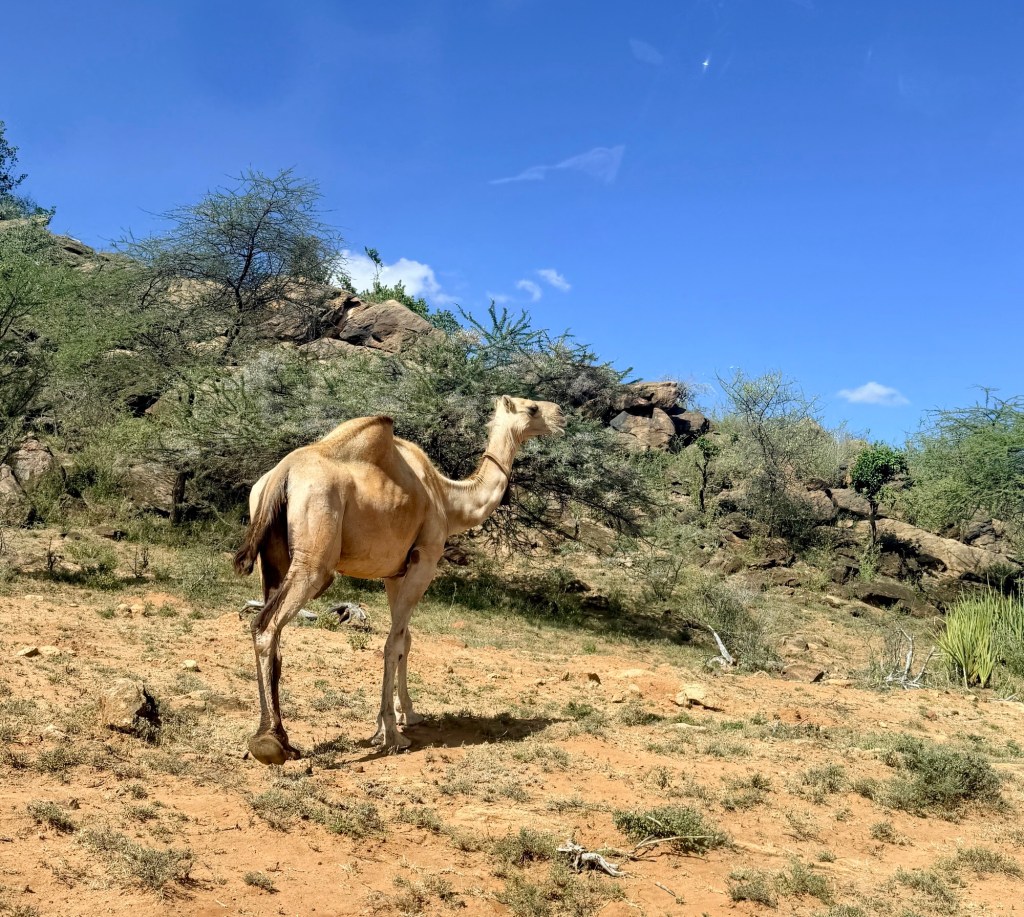
On a side note, driving back home from Ngilai to Olepangi Farm, Mark and I had our own mini Charge and game drive—thank you, Kier! We needed our navigator Jonathan. 😉


1 comment